
Unraveling the truth behind common casino myths
The Gambler’s Fallacy
The gambler’s fallacy is one of the most prevalent myths in the casino world, suggesting that past events can influence future outcomes in games of chance. Many believe that if a particular number hasn’t been drawn in a while, it is due for a win, especially in games like roulette. However, each spin of the wheel is an independent event, governed purely by randomness. Understanding this concept is crucial for anyone looking to engage in gambling responsibly. Moreover, players can enjoy the thrilling aviator game, which highlights the importance of seeing beyond common misconceptions.
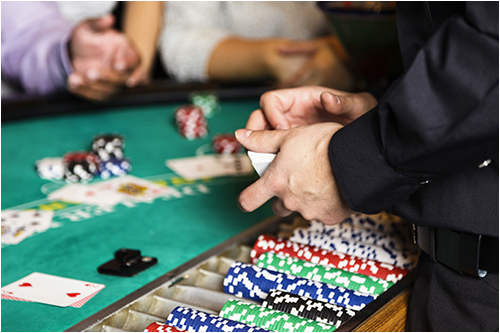
This myth can lead players to make irrational decisions based on faulty logic, often resulting in greater financial losses. When players chase their losses, they may increase their bets, thinking their luck will inevitably change. The truth is that luck is unpredictable, and past outcomes have no bearing on what happens next. Recognizing the independence of events is vital for maintaining a clear mind while gambling.
Moreover, the gambler’s fallacy often affects newcomers to casinos. These players, eager for a win, may believe that they are “due” for a payoff, which can lead to frustrating experiences. The reality is that successful gambling requires a sound strategy based on understanding odds rather than misconceptions rooted in superstition. Therefore, being educated about these myths is essential for a healthy gambling experience.
A common belief among casino-goers is the idea of “hot” and “cold” machines, particularly with slot machines. Many players insist that certain machines are more likely to pay out based on previous outcomes, which can create a false sense of strategy in choosing where to play. In reality, slot machines operate on random number generators, meaning that past performance does not affect future results. Each pull is completely independent.
This misconception can lead players to waste time and money searching for a “hot” machine while ignoring others. It can be tempting to cling to these beliefs, especially after a friend or fellow player shares their “success” story. However, the truth is that the only consistent way to win at slots is through luck, not by tracking which machines seem to pay more frequently.
Understanding the mechanics behind slot machines can significantly improve one’s approach to gambling. Knowledge about how payout percentages are established and how random number generators work demystifies the belief in hot and cold machines. By focusing on responsible gambling habits rather than myths, players can make informed choices and enjoy their time at the casino more fully.
Another widely circulated myth in casinos is the belief that “the house always wins,” leading many players to feel hopeless about their chances of winning. While it’s true that casinos are designed to have a statistical edge, this doesn’t mean players are guaranteed to lose every time they gamble. Many games offer opportunities for skill and strategy that can tilt the odds in favor of the player under certain circumstances.
For instance, in games like blackjack or poker, skillful players can reduce the house edge through strategy. Knowledge of game mechanics, player psychology, and risk management can make a substantial difference. Therefore, while the house may have an advantage in the long run, skilled players can still find success, thereby dispelling the myth of inevitable defeat.
This myth can discourage potential gamblers from exploring their options, especially if they believe that any attempt to win is futile. Educating oneself about games and developing strategies can empower players. Understanding that some games are not purely based on luck encourages a more positive gambling attitude and can enhance the overall gaming experience.

Discover the Excitement at Our Casino
Compulsive gambling is a serious issue that is often misunderstood, with many people assuming it is merely a matter of choice or lack of willpower. However, this myth fails to recognize the complex psychological factors involved in gambling addiction. For many individuals, compulsive gambling can be tied to underlying mental health issues, emotional distress, or environmental factors that influence their behavior.
This misunderstanding can lead to stigma and prevent those suffering from seeking help. The truth is that compulsive gambling is a recognized mental health condition that requires appropriate treatment and support. It is essential to approach the subject with empathy and a desire to understand rather than condemn. By recognizing the complexity of the issue, we can create a more supportive environment for those affected.
Raising awareness about responsible gambling practices and the nature of gambling addiction is crucial in combating this myth. Educational resources, community support groups, and professional counseling can assist individuals in finding their way back to healthier habits. Understanding the difference between a choice and a condition can promote better attitudes towards gambling and those who struggle with it.
“`