
Understanding the psychological traps in gambling decisions
The Illusion of Control
One of the most significant psychological traps in gambling is the illusion of control. Many players believe they can influence the outcome of games, especially in skill-based activities like poker or blackjack. This belief can lead to overconfidence and increased betting, as individuals feel that their skills will lead to consistent wins. In this context, exploring australian payid pokies sites can help players understand the importance of relying on chance rather than perceived skill.

This false sense of control can also cause players to ignore statistical probabilities. For instance, a gambler might think they can predict when a slot machine is “due” for a win, despite the fact that these machines operate on random number generators. This misconception can result in substantial losses, as the gambler continues to play under the false assumption that their skills or timing will yield positive results.
The Sunk Cost Fallacy
The sunk cost fallacy is another common psychological trap in gambling. This occurs when players continue to invest time or money into a game because of the resources they have already committed, rather than evaluating the potential for future gains. For example, a player may keep betting on a losing streak simply to “get their money back,” rather than walking away and cutting their losses.
This fallacy can lead to poor decision-making and emotional distress. Gamblers often find themselves trapped in a cycle of chasing losses, ultimately leading to more significant financial difficulties. Recognizing this trap can help players make more rational decisions, prioritizing their enjoyment and financial well-being over an emotional attachment to previous bets.
The Gambler’s Fallacy
The gambler’s fallacy is the mistaken belief that past events can influence future outcomes in random games. For example, if a roulette wheel lands on red several times in a row, a player might bet on black, thinking it is “due” to win. This line of thinking ignores the fact that each spin is independent and has the same probability, regardless of past outcomes.
Understanding this fallacy is crucial for responsible gambling. It can help individuals break free from patterns of thinking that lead to irrational bets. By recognizing that each game or spin is a separate event, players can make more informed decisions based on actual odds rather than flawed reasoning based on previous results.
The Appeal of Near Misses
Near misses can be particularly enticing and misleading in gambling. This phenomenon occurs when a player almost wins but ultimately loses. For instance, if a player is just one card away from a winning hand or sees a slot machine showing two matching symbols and a third symbol that is different, the feeling of “almost winning” can trigger excitement.
These near misses can create a dopamine response in the brain, reinforcing the desire to continue playing. This psychological effect can lead to increased gambling behavior, as individuals chase that exhilarating feeling. Awareness of how near misses can manipulate emotions is vital for maintaining control and making rational decisions while gambling.
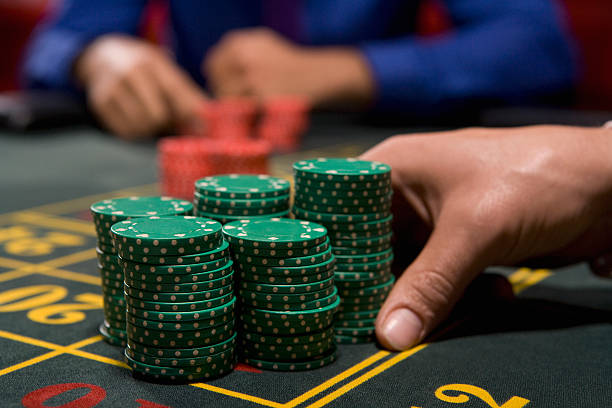
Your Partner in Understanding Gambling Behavior
Our platform is dedicated to helping players navigate the complexities of gambling decisions. By providing resources and insights into the psychological traps that can affect decision-making, we aim to empower individuals to make informed choices and enhance their gaming experience. Understanding these traps is essential for both new and experienced players, fostering a more responsible approach to gambling.
With a focus on education and awareness, we strive to create a community where players can learn from each other and grow together. By sharing knowledge about psychological pitfalls, we hope to contribute to a healthier gambling environment that prioritizes enjoyment and responsible play.